
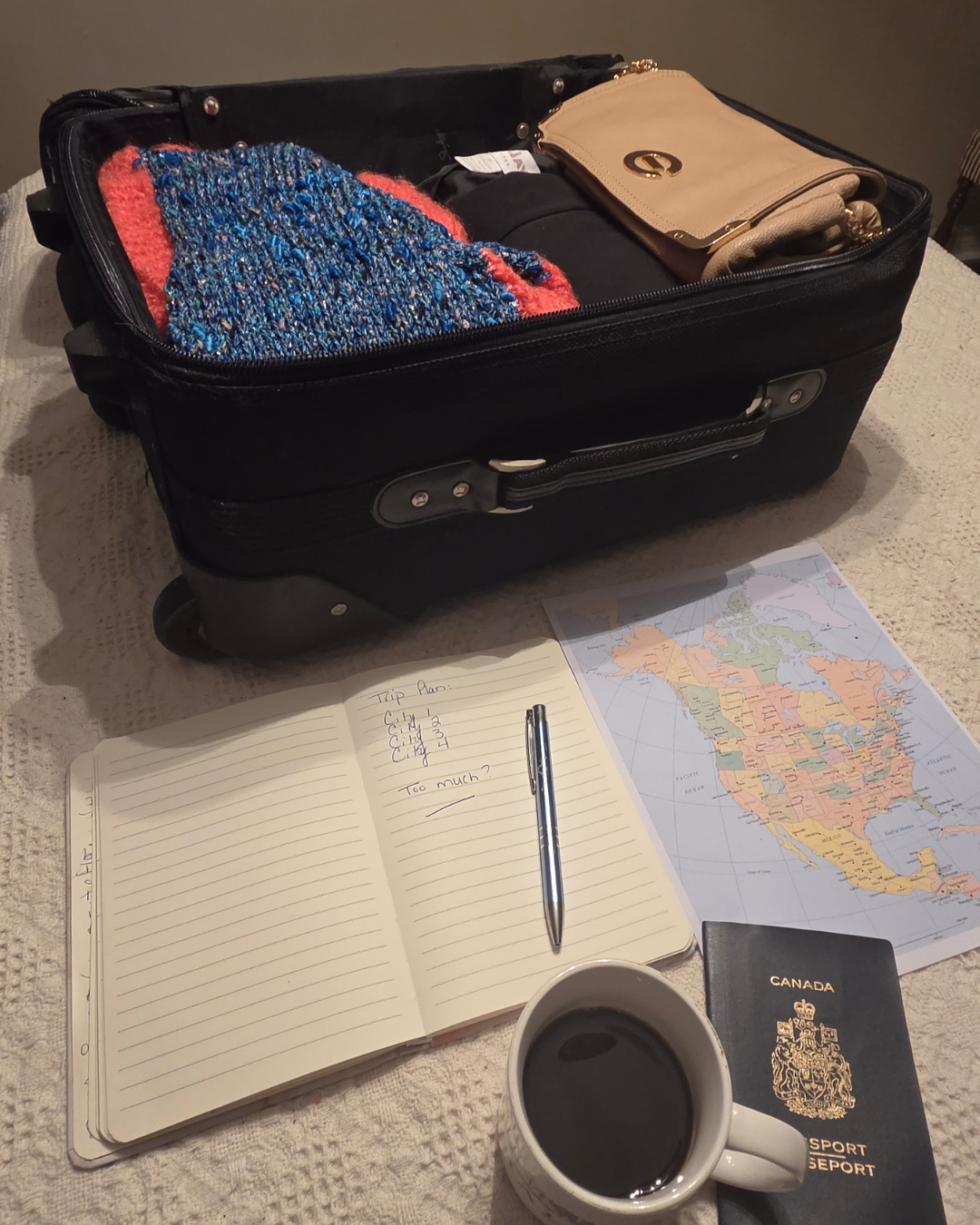
When we start planning a vacation, especially one we've dreamed about for years, it is easy to get caught up in everything we want to see.
The excitement builds.
We open maps, save attractions, read recommendations, and before we know it, our carefully planned getaway has become a list of places we need to check off.
After all, if we're travelling thousands of kilometres, shouldn't we make the most of every moment?
The answer is yes — but making the most of your vacation does not always mean doing more.
Sometimes, it means choosing better.
One of the most common travel planning mistakes I see is trying to fit too much into one trip. It usually comes from the best intentions: wanting to experience everything, make the most of your time away, and return home feeling like you didn't miss anything.
But often, the opposite happens.
Instead of returning home refreshed and inspired, travellers return home feeling like they need another vacation to recover from the one they just took.
Every destination has something worth discovering.
That is part of what makes travel so exciting.
The challenge is that every new stop comes with more than just the experience itself.
A new city means:
Those moments may not seem like much when you are planning from home, but they add up quickly.
A three-hour drive between destinations is rarely just three hours.
There is the time spent getting ready, checking out, loading luggage, finding parking, navigating unfamiliar roads, returning a rental car, waiting for transportation, finding your next hotel, and settling in once you arrive.
Suddenly, what looked like a simple transfer has taken up a large part of your day.
And that is a day you are no longer spending exploring, relaxing, or creating memories.
One of the simplest ways to create a more enjoyable vacation is to slow down the pace.
For many one- to two-week vacations, choosing two or three destinations can often provide a much richer experience than trying to visit five or six.
This does not mean you are missing out.
It means you are allowing yourself the time to actually experience the places you travelled so far to see.
A longer stay gives you the opportunity to:
Some of the best travel memories are not always the famous landmarks.
Sometimes they are the quiet moments you never planned.
The walk along a waterfront at sunset.
The small bakery you discovered while wandering.
The conversation with someone who shared a story about their hometown.
Those are the experiences that often stay with us long after we return home.
Another common mistake is creating an itinerary that leaves no room to breathe.
Planning is important. It helps you make the most of your time and ensures you do not miss experiences that matter to you.
But there is a difference between having a plan and creating a schedule that feels like an appointment book.
A vacation should not feel like a race from one attraction to the next.
Instead of filling every hour with activities, consider building in space for discovery.
Maybe one afternoon is simply reserved for wandering.
Maybe one morning begins slowly with coffee and a walk.
Maybe you leave time to return somewhere you loved instead of immediately moving on to the next item on your list.
Those unscheduled moments are often where the magic of travel happens.
Before booking your next adventure, consider these questions:
1. How many destinations can I realistically enjoy?
For many trips, fewer destinations with longer stays create a more relaxing and memorable experience.
2. Am I planning based on what I want to experience — or what I feel I should see?
There is a difference between travelling with intention and simply collecting destinations.
3. Have I considered the travel time between places?
Look beyond the distance on the map and think about the full process of moving from one location to another.
4. Have I built in time to simply enjoy being there?
The moments between the planned activities are often the ones you remember most.
5. What kind of experience do I want to bring home?
A list of everything you saw?
Or memories of the places that truly connected with you?
Every traveller is different.
Some people love moving quickly and seeing as much as possible. Others prefer slower mornings, longer stays, and deeper connections with a destination.
There is no single perfect way to travel.
The best itinerary is the one that matches how you want to experience the world.
My role is helping travellers find that balance before they leave home — creating journeys that feel exciting and memorable without becoming overwhelming.
Because the goal of a vacation is not to return home exhausted from everything you managed to fit in.
The goal is to return home with stories, moments, and memories that stay with you long after the suitcase is unpacked.
Don't Dream It, Travel It.
 Charlene Joseph-Dunbar
Sign up for our newsletter to learn about the latest product news and deals. Also receive exclusive offers, contest details and giveaways.