
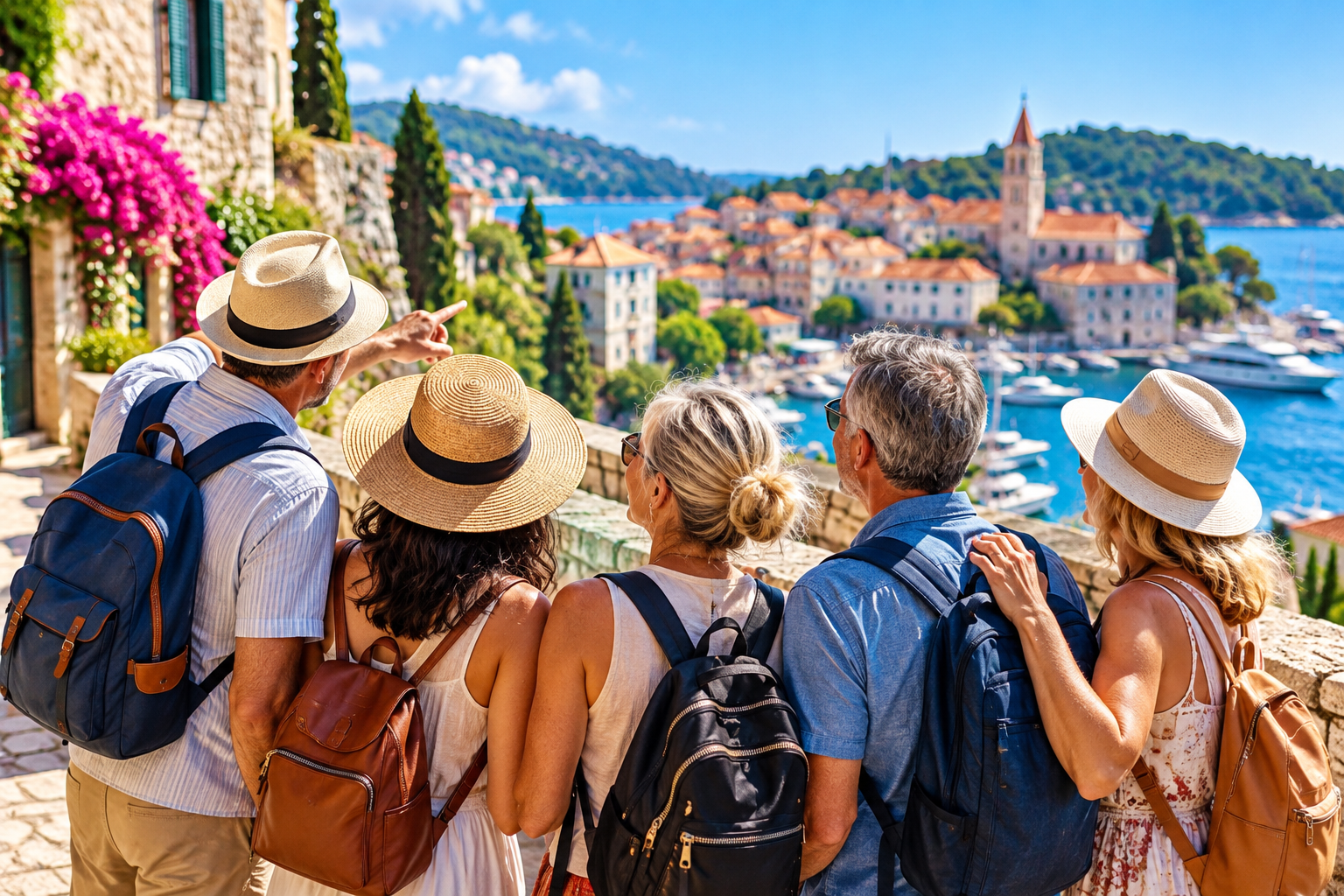
Travelling together can create wonderful memories. Here's how to get your group organized before you start booking.
There is something special about travelling with other people. It might be a family reunion in a sunny destination, a long-awaited getaway with friends, a milestone birthday celebration, or a cruise where everyone can enjoy new experiences together.
Group travel offers the opportunity to share experiences, celebrate special occasions and make memories that last long after everyone returns home.
But when several people are involved, planning a trip can become more complicated than you might expect.
Different budgets, travel preferences, schedules and expectations can quickly turn an exciting idea into a long list of decisions. Add flights, accommodations, deposits and booking deadlines, and the person organizing the trip can suddenly find themselves with a lot on their plate.
The secret to a successful group getaway? Start with the planning, not the booking.
Before choosing a resort, reserving flights or collecting money from everyone, there are a few important things worth discussing.
Money is one of the most important conversations to have at the beginning of the planning process.
One person might picture a luxury all-inclusive resort, while someone else is hoping for an affordable escape that leaves room in the budget for excursions and dining out.
Neither preference is wrong, but understanding everyone's expectations early can prevent misunderstandings later.
Start by discussing:
It is also important to remember that the advertised price may not reflect the full cost of a trip. Baggage fees, airport transfers, optional excursions, resort extras and other expenses can affect the final budget.
Travel tip: Establish a realistic price range before narrowing down your options. It is much easier to find a trip that suits the group when everyone understands what is affordable.
Choosing a destination sounds like the fun part, and it certainly can be! However, the best destination is one that works for the group as a whole, rather than just the person organizing the trip.
Think about what everyone hopes to get out of the experience.
Does the group want a relaxing beach holiday? Are you interested in exploring historic cities, experiencing local culture or enjoying outdoor adventures? Would an all-inclusive resort suit everyone's preferences, or would a cruise offer a convenient way to experience several destinations?
Age, mobility, interests and preferred pace of travel can also influence the decision.
For example, a group celebrating a milestone birthday might enjoy a resort with dining options, entertainment and opportunities to relax together. A group of friends who love exploring might prefer a destination with guided tours, cultural attractions and plenty to discover.
If the group has different interests, look for a destination that offers a balance of shared activities and opportunities for individual exploration.
You do not have to agree on every detail, but establishing a few common priorities will make the decision much easier.
Finding dates that work for everyone can be one of the biggest challenges of group travel.
Work schedules, school holidays, family commitments and other responsibilities may limit everyone's flexibility. In addition, travelling during peak periods can affect prices and availability.
Before researching specific trips, identify:
It is also worth discussing flight preferences. Some travellers prioritize the lowest fare, while others would rather pay more for a convenient schedule or fewer connections.
If the group is travelling from different cities, the arrangements may require additional coordination.
Travel tip: Agree on a primary travel window and a backup option if possible. Flexibility can open up more choices, but everyone should understand the dates before reservations are made.
Where everyone will stay is another decision worth making early.
For some groups, staying at the same resort or hotel is part of the experience. For others, renting a larger property or choosing nearby accommodations may be a better fit.
Consider the following questions:
Room availability is particularly important for groups. Even when a hotel has rooms available, it may not have enough rooms of the preferred type to accommodate everyone together.
Special requests, such as connecting rooms, specific views or particular bed configurations, are generally subject to availability and should not be assumed to be guaranteed.
For a cruise, the group may also want to consider cabin location, cabin categories and whether everyone wants to be near one another on the ship.
Planning these details early helps everyone understand the available options before making a commitment.
One of the joys of travelling together is sharing experiences. However, that does not mean everyone has to spend every moment together.
Some travellers may want to book excursions, sightseeing tours or special dining experiences, while others prefer to relax and enjoy some free time.
Before travelling, discuss which activities are important to the group and which can be left flexible.
You may want to consider:
For cruises and resort holidays, some experiences have limited capacity or require advance reservations. Availability, booking windows and cancellation conditions vary, so it is worth checking the details before departure.
The goal is not to fill every hour with activities. It is to create an experience where people can enjoy time together without feeling that every moment has been scheduled.
This is one of the most important steps, and it is often overlooked when a group first starts discussing a trip.
Booking a group can involve different conditions from making individual reservations.
Depending on the supplier, destination and type of travel, group arrangements may have specific requirements relating to deposits, payment deadlines, minimum numbers, room allocations and cancellation terms.
Before anyone commits, make sure the group understands:
It is also important to establish what happens if someone drops out after the arrangements have been made. Depending on the booking terms, the remaining travellers may face additional costs or the group may lose certain benefits.
Do not assume that every group receives a discount or that a group booking is automatically more flexible. The advantages depend on the supplier and the arrangements available.
Understanding the conditions in advance allows everyone to make an informed decision and helps prevent uncomfortable conversations later.
Every group needs a way to communicate and make decisions.
Often, one person naturally takes the lead. They create the group chat, collect everyone's preferences, research destinations and try to keep track of all the moving pieces.
That person can quickly become responsible for far more than they anticipated!
It helps to agree on how decisions will be made, who will communicate updates and how deadlines will be shared.
A simple shared document or group message can help everyone keep track of important information, such as:
However, coordinating a group holiday does not have to mean doing all the research and booking yourself.
A travel advisor can help explore suitable options, explain the differences between available arrangements, coordinate with travel suppliers and clarify the details that need attention before the group commits.
This can be particularly helpful when the trip involves multiple households, a special celebration, a cruise or a larger number of travellers.
The aim is to make the planning process more manageable, so the organizer can enjoy looking forward to the trip rather than feeling overwhelmed by it.
Once the main arrangements are taking shape, make sure everyone understands their individual travel responsibilities.
Travel insurance is worth considering early in the process. Coverage, eligibility, exclusions and purchase deadlines can vary, so travellers should review the policy terms carefully and choose protection appropriate to their circumstances.
Remember that one person's insurance does not necessarily cover everyone in the group.
Travel documentation is equally important. Depending on the destination and itinerary, travellers may need valid passports, visas, electronic travel authorizations or other documents.
Passport validity requirements can differ by destination, and some countries require a passport to remain valid for a specified period beyond the planned departure date.
If the group includes travellers with different citizenships or travel documents, the requirements may not be the same for everyone.
Each traveller should confirm the applicable entry and transit requirements well before departure.
Taking care of these details early can help avoid unnecessary stress as the travel date approaches.
Planning a group getaway involves more than finding a destination and comparing prices. It means balancing different expectations, coordinating arrangements and understanding the conditions attached to the bookings.
Working with a travel advisor can help simplify that process.
Depending on the type of trip and supplier arrangements available, an advisor can help you:
Every group is different, and the level of support available will depend on the trip and the supplier. The important thing is having someone who can help you work through the details and understand your options.
After all, the person bringing everyone together should have the opportunity to enjoy the getaway, too!
Whether you're organizing a family reunion, a friends' holiday, a milestone birthday celebration or a group cruise, a little preparation can make a big difference.
Start by agreeing on your budget, preferred dates and the kind of experience everyone wants. Discuss accommodation, activities and booking conditions before making commitments. And if the details begin to feel overwhelming, remember that you do not have to coordinate everything alone.
The best group getaways begin with a good plan — and a clear understanding of what matters most to everyone travelling.
I'm Charlene, a TravelOnly Travel Advisor based in Nova Scotia, and I help travellers prepare for the journey, not just the destination.
If you're thinking about bringing a group together for your next adventure, let's talk about your ideas and explore the options available.
Your next great group getaway could start with one conversation.
 Charlene Joseph-Dunbar
Sign up for our newsletter to learn about the latest product news and deals. Also receive exclusive offers, contest details and giveaways.