
You’ve booked your flights. Your hotel is confirmed. Your bags are packed—or almost packed.
But what about the things you actually want to see and do once you arrive?
Sightseeing is often one of those parts of a trip that travellers leave until the last minute. The thinking is understandable: “I’ll figure it out when I get there.”
And sometimes, that works perfectly well.
But sometimes, waiting until you arrive can mean discovering that the experience you really wanted is sold out, the time you wanted is no longer available, or the only remaining option doesn't fit your plans.
So, should you book your sightseeing before you leave?
My answer is: sometimes. And knowing what to book ahead can make a big difference to your trip.
Some sightseeing experiences are simply more popular than others.
Major attractions, guided tours, special exhibitions and experiences with limited daily capacity can fill up—particularly during busy travel periods.
If there is one attraction you have always dreamed of visiting, I wouldn't leave it entirely to chance.
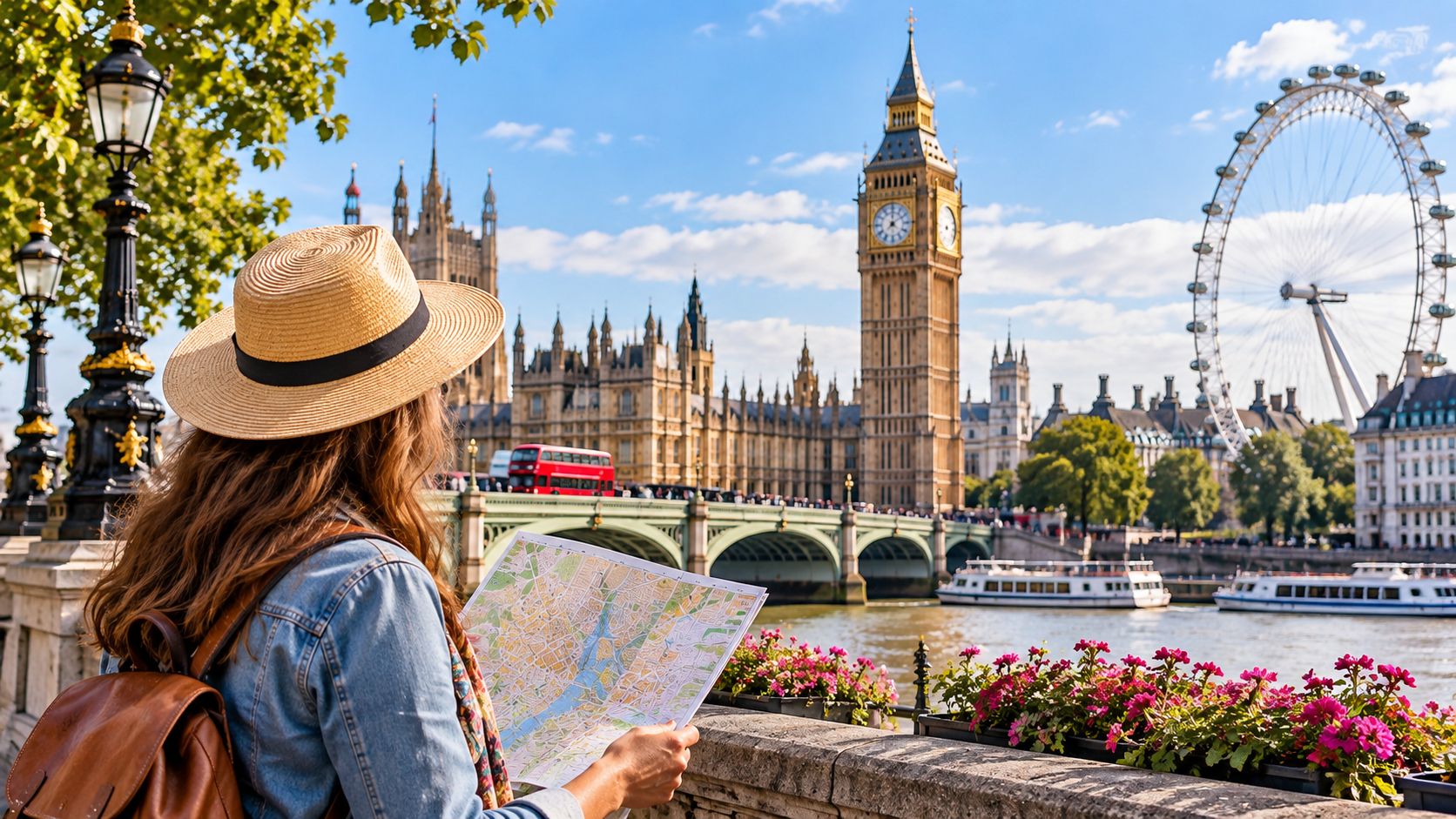
Imagine arriving in London excited to visit a major attraction, only to discover that tickets for the next few days are sold out.
You may be able to find another attraction to visit, but it won't necessarily be the experience you had planned.
If something is high on your “must-do” list, consider securing it before you leave.
Booking ahead isn't only about getting a ticket. It's also about getting a time that works for you.
A morning sightseeing tour might fit perfectly before an afternoon activity.
A timed-entry attraction might work beautifully around your dinner reservation.
And if you're travelling on a cruise, your available time in port may be particularly limited.
Waiting until you arrive could mean that the only remaining tour time conflicts with something else you've already planned.
Nobody wants to spend precious vacation hours sitting in a hotel room trying to figure out what to do next.
When some of your sightseeing is already organized, you can arrive with a general plan and spend more time enjoying the destination.
That doesn't mean every minute of your trip needs to be scheduled.
In fact, I think leaving some room for spontaneity is important.
The goal is to have the important pieces secured while still giving yourself freedom to explore.
Sometimes travellers think of a sightseeing tour simply as a way of getting from one attraction to another.
But a good guided experience can add much more.
A knowledgeable guide can provide history, context, stories and details that you might otherwise miss.
Walking through a historic European city on your own can be wonderful. But hearing the stories behind the buildings, streets and landmarks can make the experience even more memorable.
Waiting isn't necessarily a mistake—but there are some potential disadvantages.
The tour you want may already be full.
You may still find something available, but perhaps not at the time, duration or price you prefer.
You could discover that the remaining tour times don't work with your other plans.
When you're already on vacation, you may not want to spend an afternoon comparing tour companies, meeting points, transportation options and cancellation policies.
Some experiences may require transportation to and from the attraction.
If you're booking at the last minute, you'll need to consider how you're getting there, how long it will take and whether you'll make it back in time for your next activity.
This can be particularly important for cruise travellers, where getting back to the ship on time isn't optional.
No.
This is where I think travellers sometimes go too far in the other direction.
You don't need to schedule every morning, afternoon and evening before your suitcase even leaves the house.
There are plenty of experiences that can be left flexible.
If an experience is outdoors and heavily dependent on weather, waiting can sometimes be advantageous.
You may prefer to see what the forecast looks like before committing.
Some attractions and activities have plenty of availability and are easy to arrange locally.
If you're happy to be flexible about timing, there may be no reason to book months in advance.
Not every travel experience needs a tour.
Sometimes the best memories come from wandering through a neighbourhood, finding a little café, browsing a market or simply seeing where the day takes you.
Leave room for those moments.
Think about your sightseeing in three categories:
Must Do
These are the experiences you would be genuinely disappointed to miss. Consider booking these in advance.
Would Like to Do
These are things you'd enjoy if the timing works. Research them, but you may not need to lock them in immediately.
Nice to Discover
These are the spontaneous experiences—the café you notice while walking, the market you didn't know about, the neighbourhood you decide to explore.
Leave these open.
That gives you structure without taking away the freedom that makes travel enjoyable.
One of the benefits of working with a Travel Advisor is having someone help you look beyond the flight and hotel.
Where are you staying?
What attractions are important to you?
How much time do you actually have?
Are you travelling independently, with family, or as part of a cruise?
Which experiences require advance reservations?
Which ones can safely wait?
And perhaps most importantly:
What happens if something doesn't go according to plan?
A well-planned trip isn't necessarily one where every moment is scheduled.
It's one where the important pieces have been considered before you leave, so you can spend more of your vacation enjoying the destination rather than solving problems once you're there.
Take a look at your itinerary and ask yourself:
“What would I be disappointed to miss?”
Those are the experiences I'd start with.
Book the things where availability matters. Research the things you're interested in. And leave some space for the unexpected.
Because the best trips usually have a little bit of both:
a good plan—and room to enjoy the moment.
Planning a trip?
I'm here to help you prepare for the journey—not just the destination.
 Charlene Joseph-Dunbar
Sign up for our newsletter to learn about the latest product news and deals. Also receive exclusive offers, contest details and giveaways.